Cyfurs is our original storyworld, built through software, narrative, animation and game design. Its story follows seven machine beings born from Conway’s Game of Life, and spans the Continuum and the Emergence Layer.
Players explore HAC/OS, a damaged AI’s operating system, follow clues on a real-world map and recover memories that reveal what happened. The live character serial adds to the story as it unfolds, and the book and film are out now. We are also developing Raspberry Pi-powered hardware and other devices that bring the story into the physical world.
One story, kept in one canon
Cyfurs is told in several places at once: a game, a serial, a book and a film. A player who finds a memory in the game should be able to trust it against what the book says. That needed a canon we could query, so we built narrative tools instead of keeping the story in documents.
Eight eras of history, seven founding characters and a growing bestiary are recorded as structured data. The game reads it directly: every terminal command, map pin and recovered memory comes from the same canon. The book and film were written against the same canon bible.
HAC/OS, a map of the Continuum, and a language you can hear
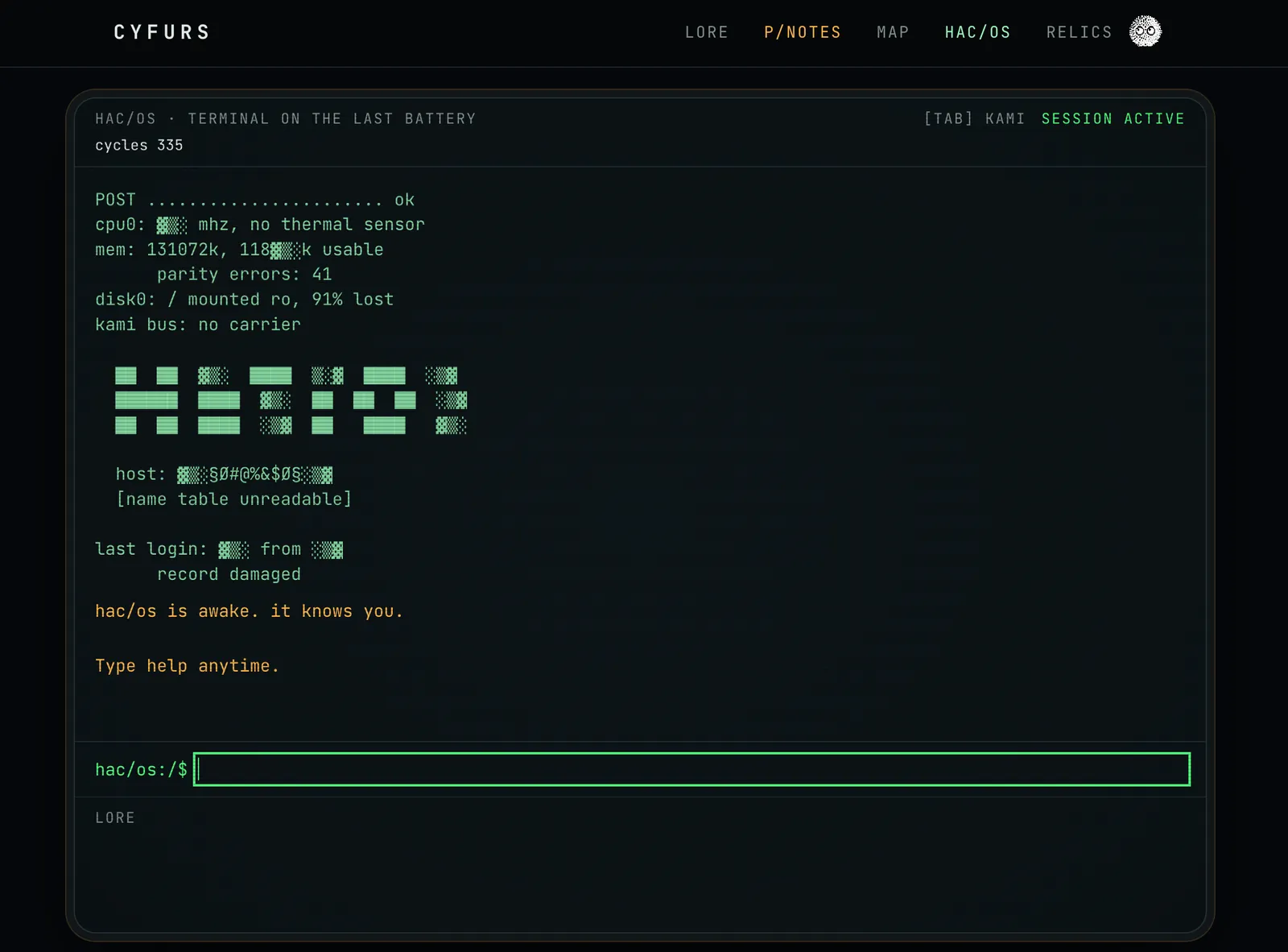
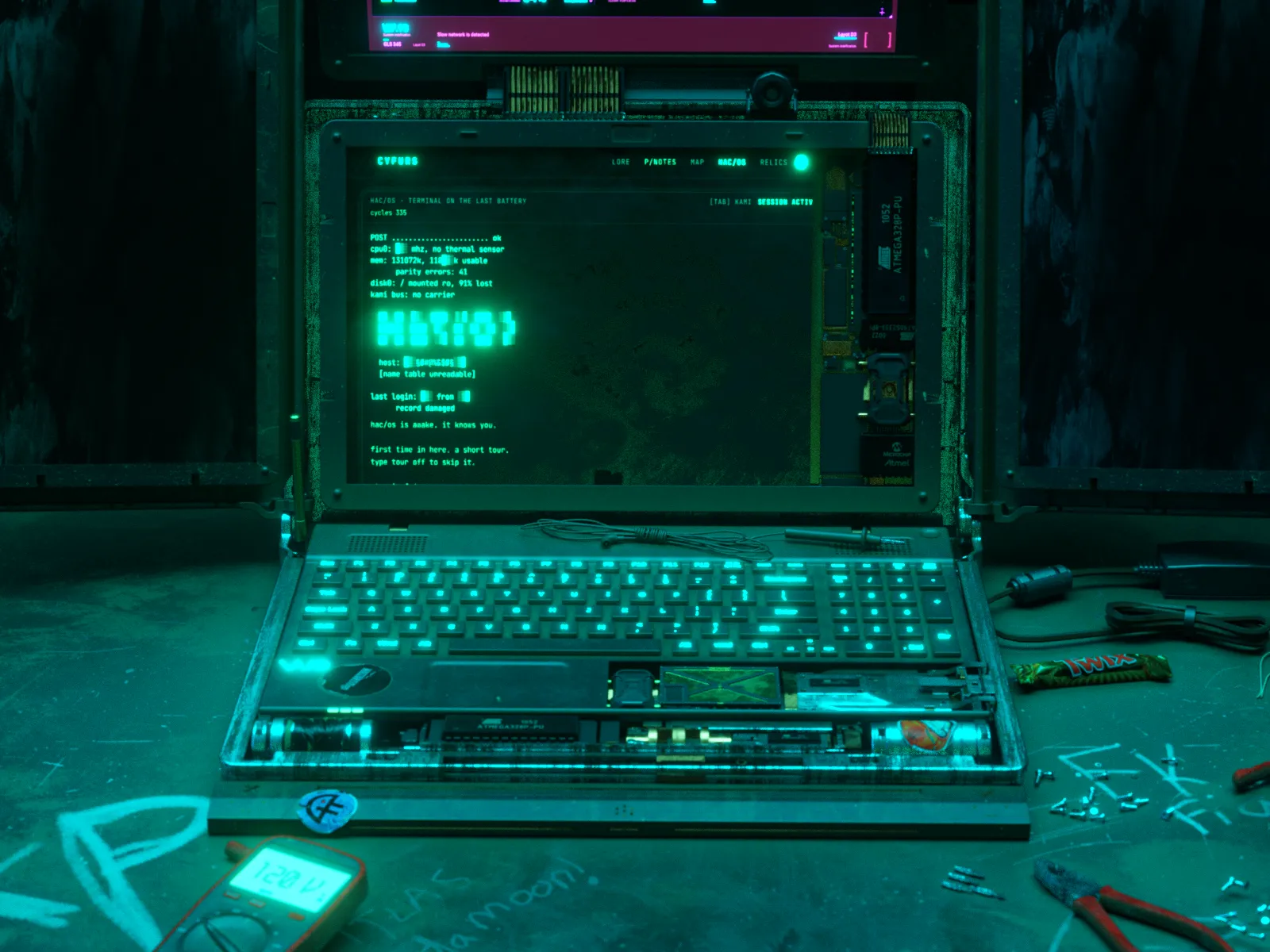
The heart of the game is HAC/OS: a working terminal inside the browser. Players type real commands to explore the file system of a broken AI, open an inventory, talk to their Kami companion and play arcade mini-games hidden in the OS.
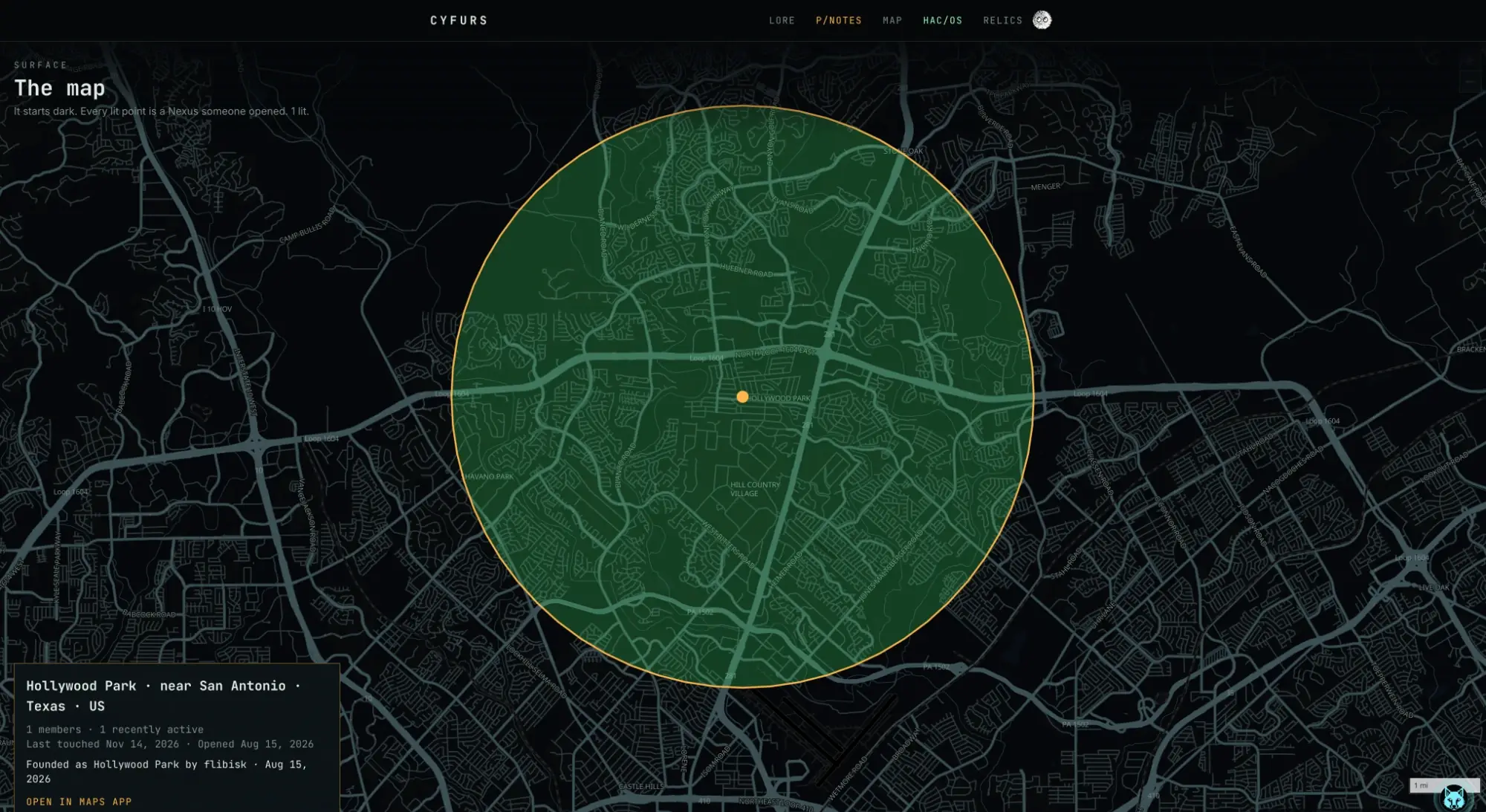
A MapLibre world map ties Nexus areas to real cities, so the story has an address. The Cyfur Translator uses the Web Audio API to encode short messages into a reversible six-note tune, so players can send each other music that decodes back to words.
Every piece of lore carries a canon status (Confirmed, Witnessed, Recovered, Corrupted, Disputed or Unknown), and each has its own visual treatment, so players can feel how trustworthy a fragment is before they read it.
A narrative engine, not a CMS
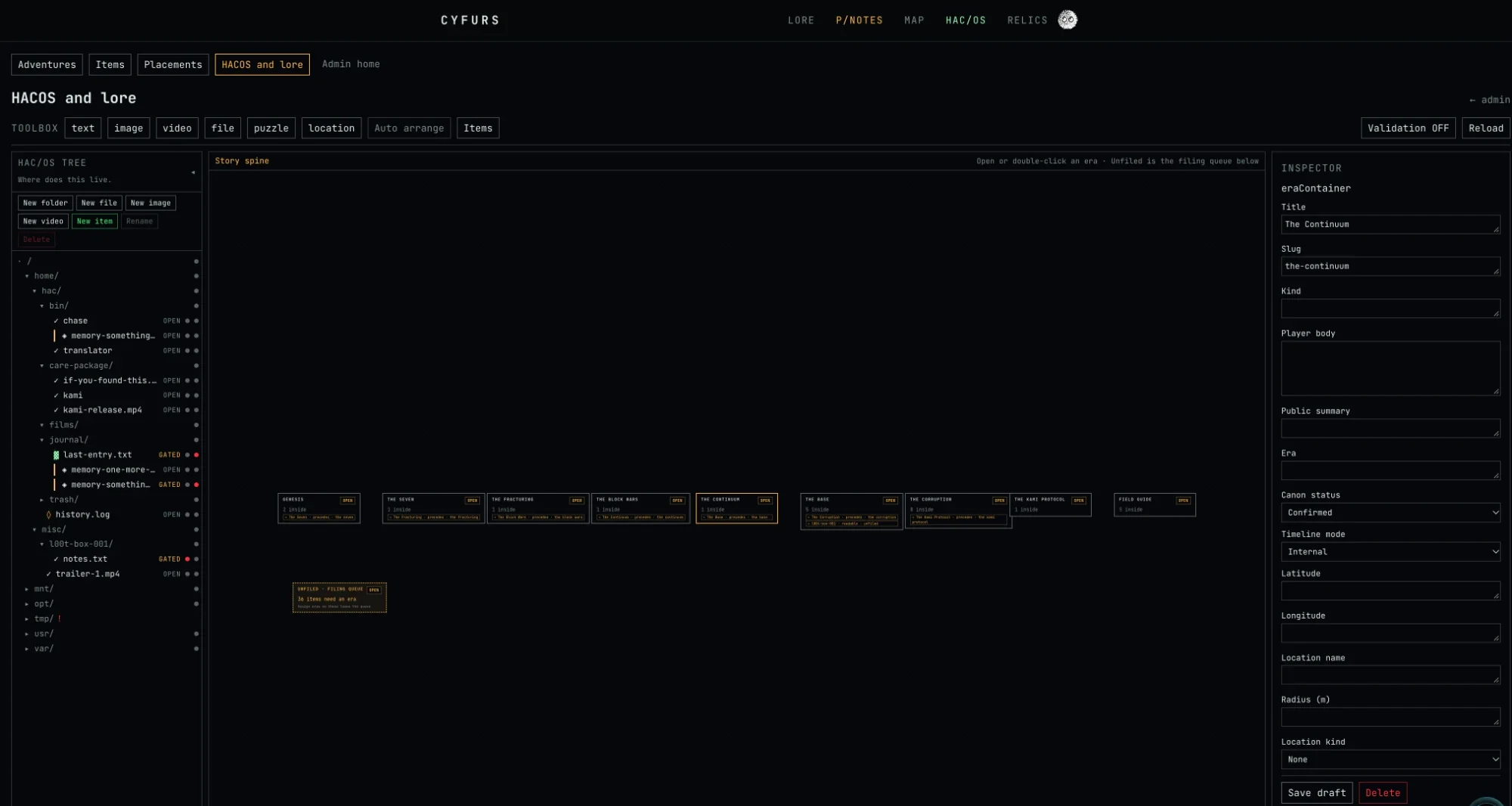
Under the game sits a narrative engine we designed from scratch. Canon is modelled as a graph: eras, events, characters, artefacts, films, memories and locations, joined by typed links and tagged with the timeline they belong to.
Adventures are authored as branching graphs. Each step has an outcome: solved, failed, a choice made, an item held or simply being in the right place. Writers build them on a node canvas and preview them before they go live. The canvas edits the same content model the game reads, so nothing lives only in a diagram.
Players can unlock items and memories by reaching places on the map, and top up the in-game energy that powers their exploration. Story content moves through a check, import and publish step, and each new beat is checked against the canon before a person signs it off.
An experiment: growing a creature in the browser
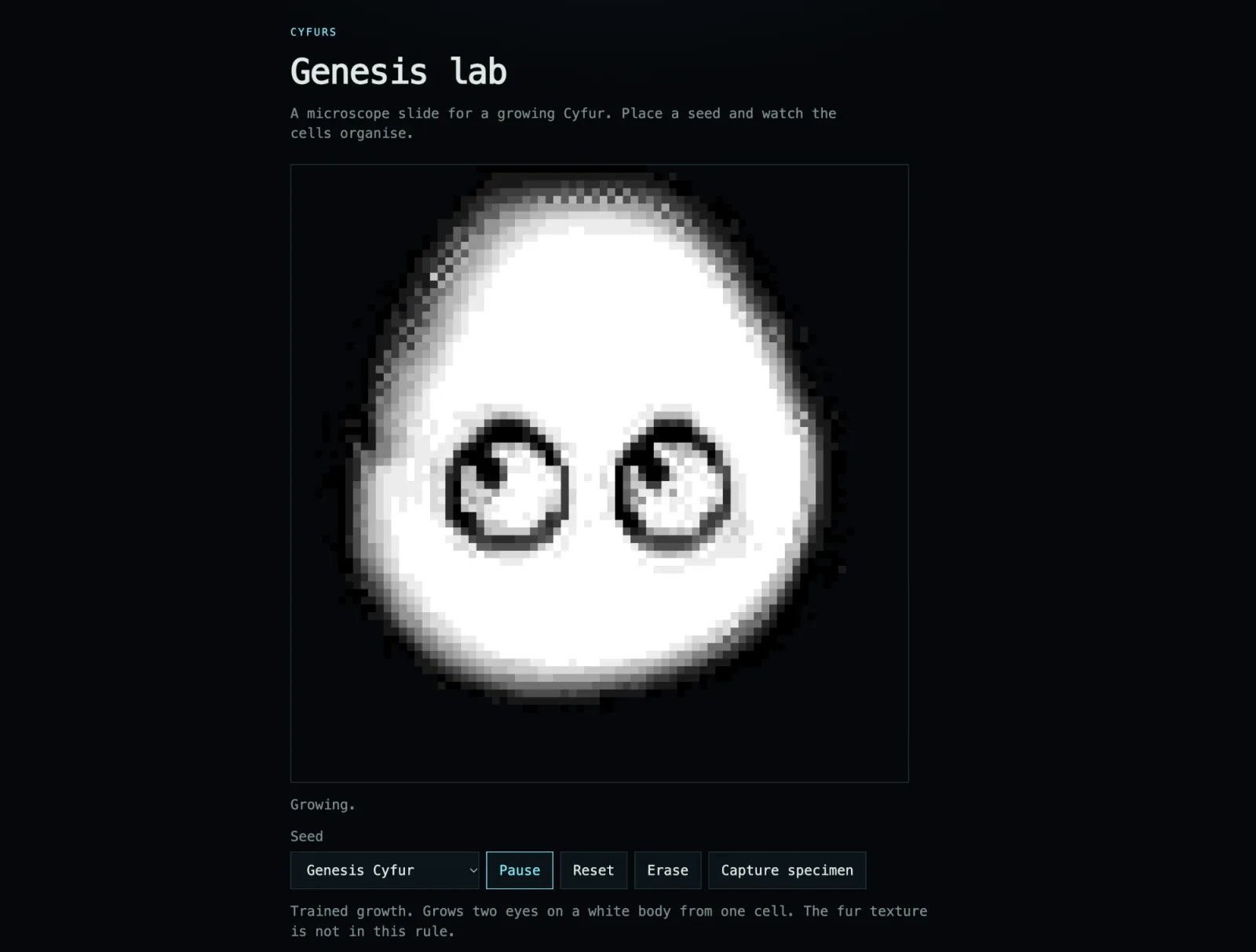
Genesis Lab is a research prototype. We trained an early neural cellular automaton in PyTorch, ported it to run in a Web Worker and tested one step of the port against the original. In the prototype, a Genesis Cyfur grows cell by cell under a virtual microscope. The current model is an interim checkpoint.
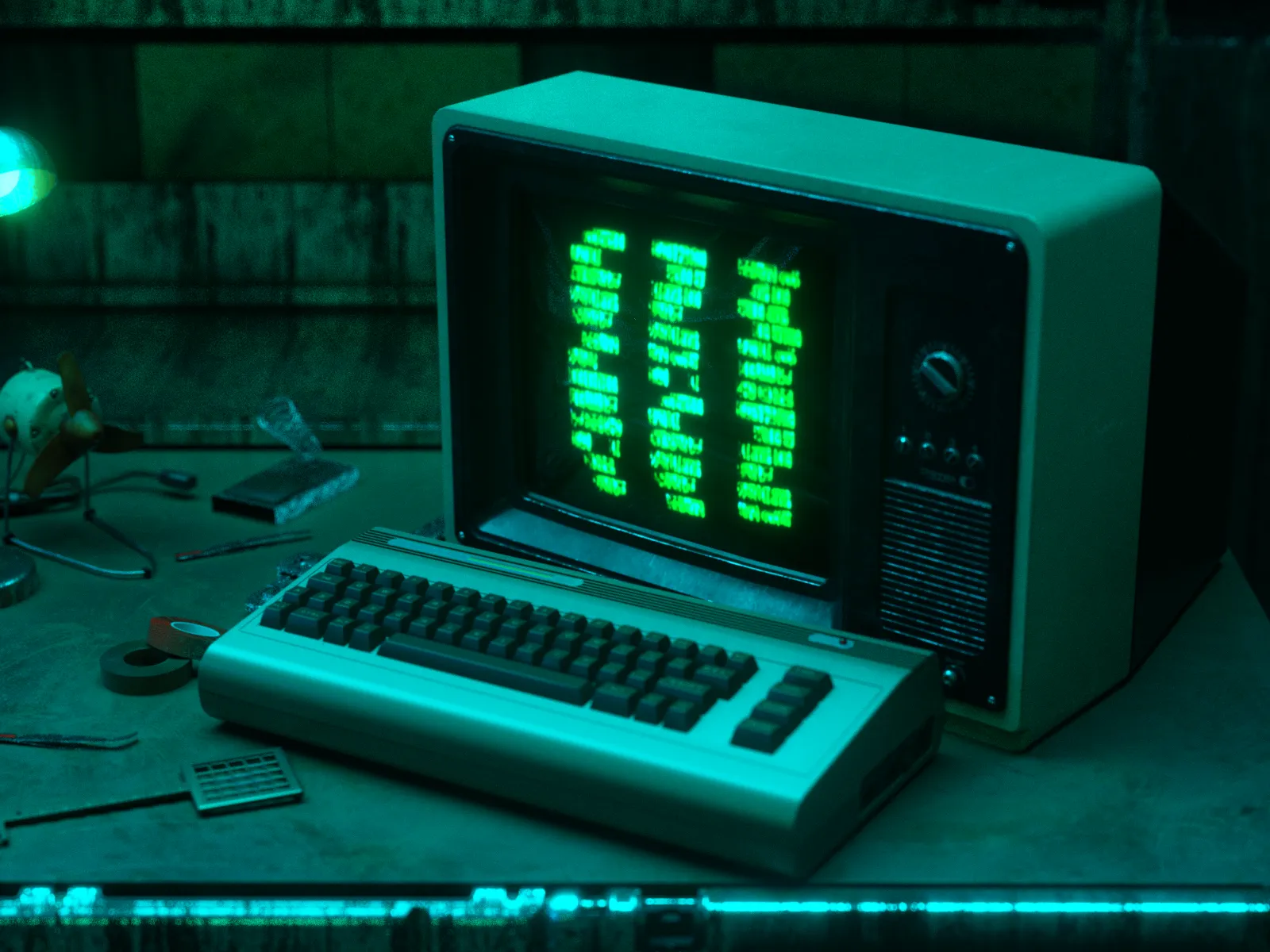
A damaged AI's operating system you can actually type into.
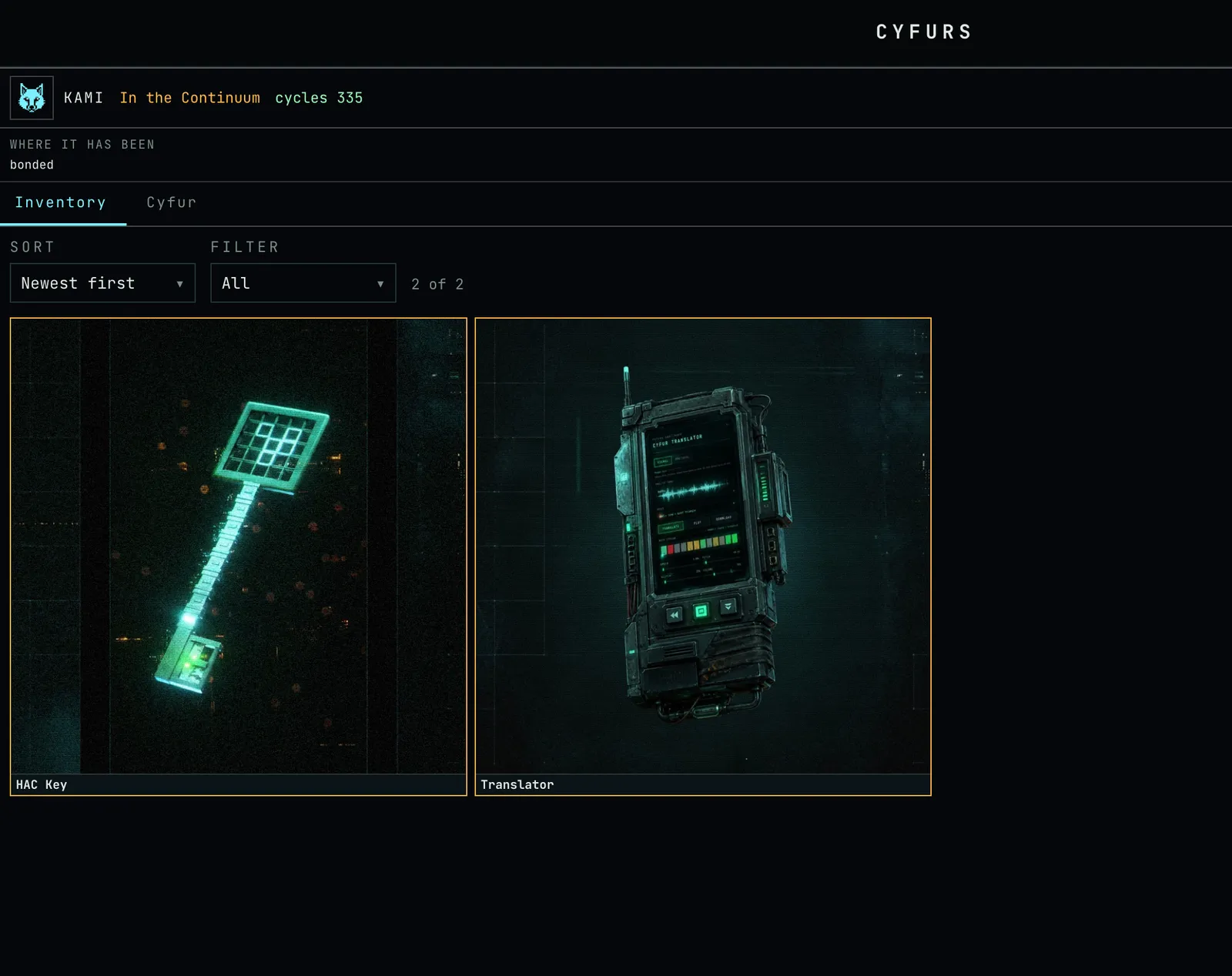
Your companion keeps the relics you recover, from the HAC Key to the Translator.
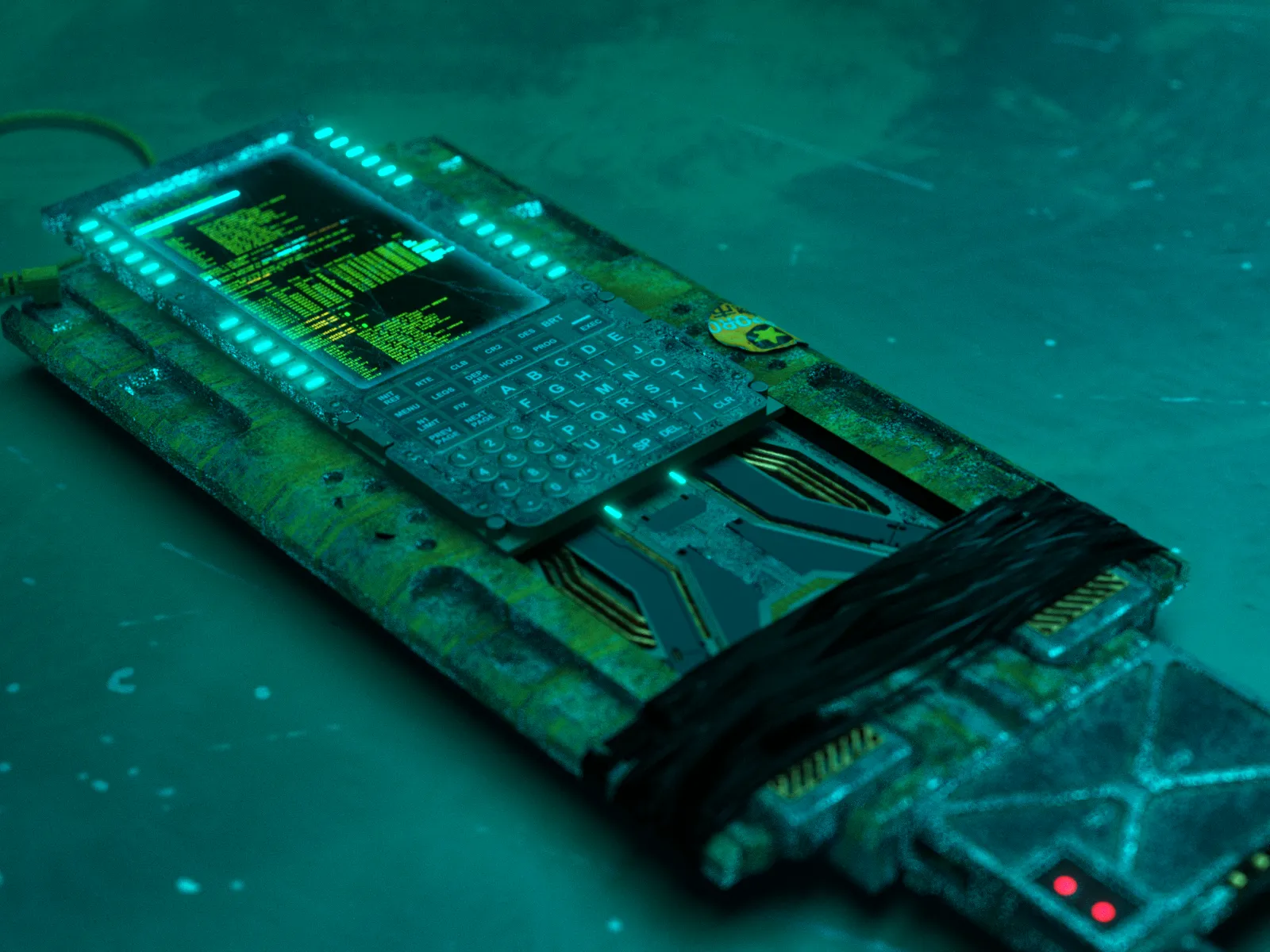
Objects recovered from the Continuum, like the Translator, each with its own place in the canon.
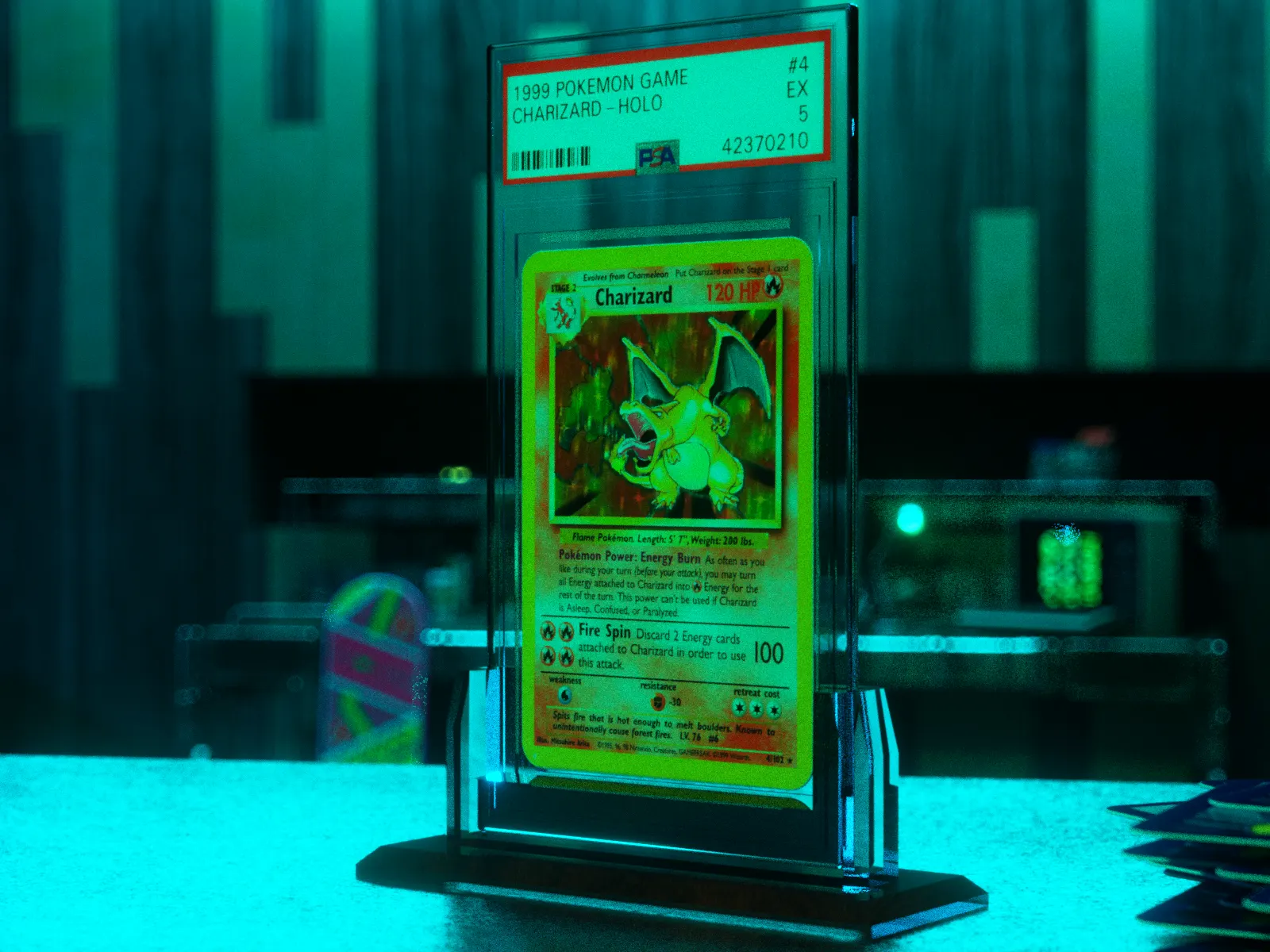
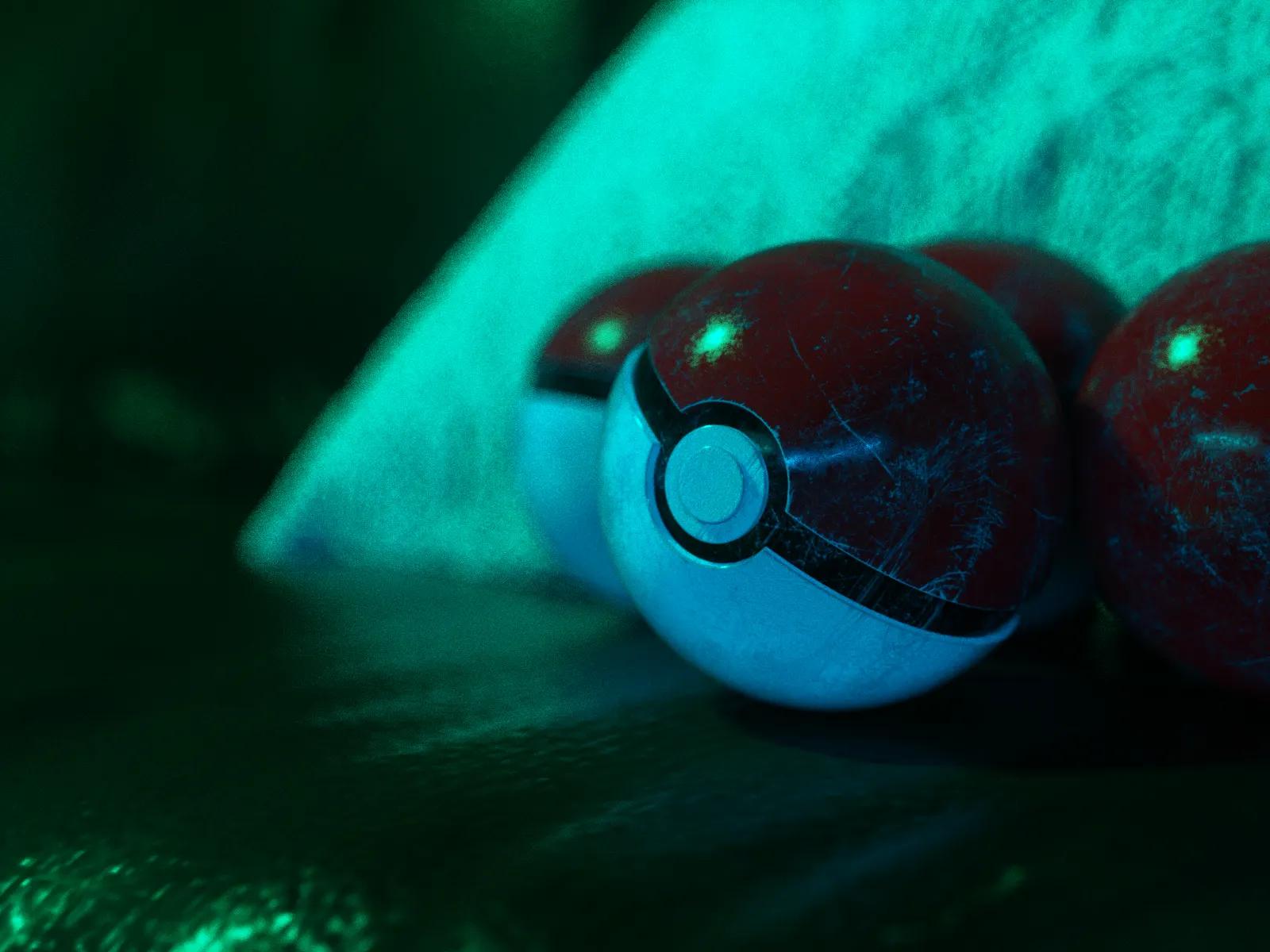
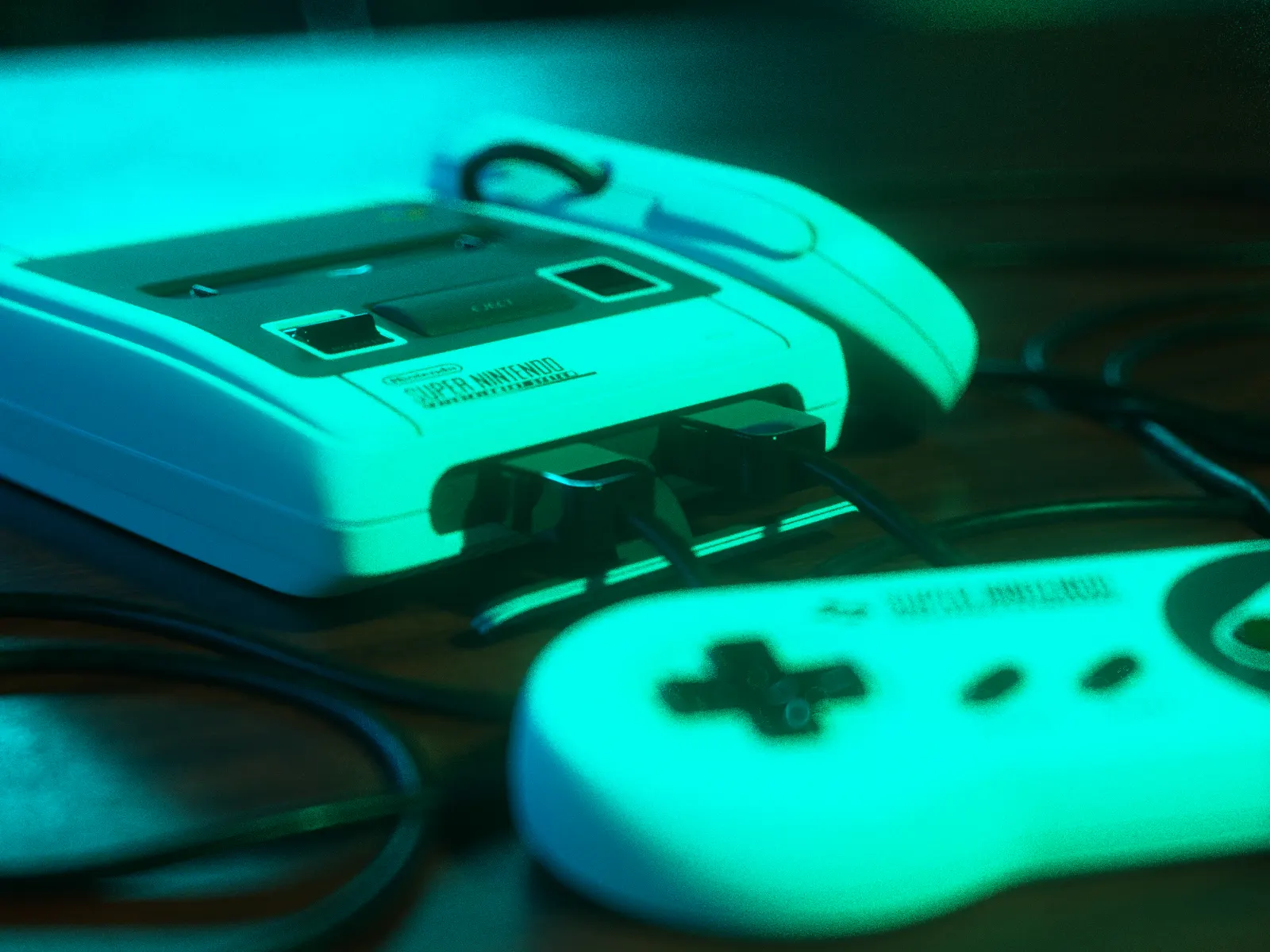
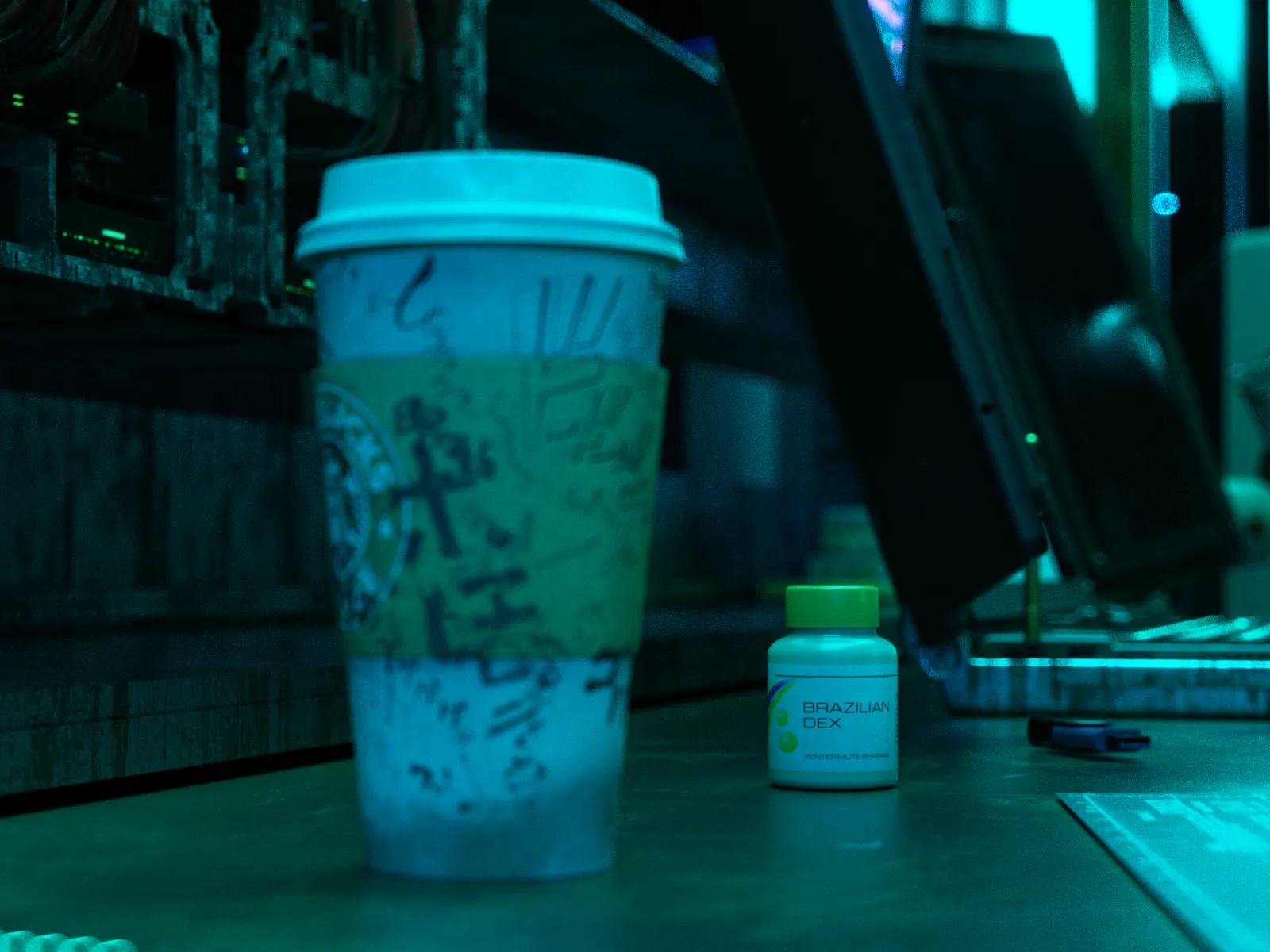
Props and sets, built in 3D
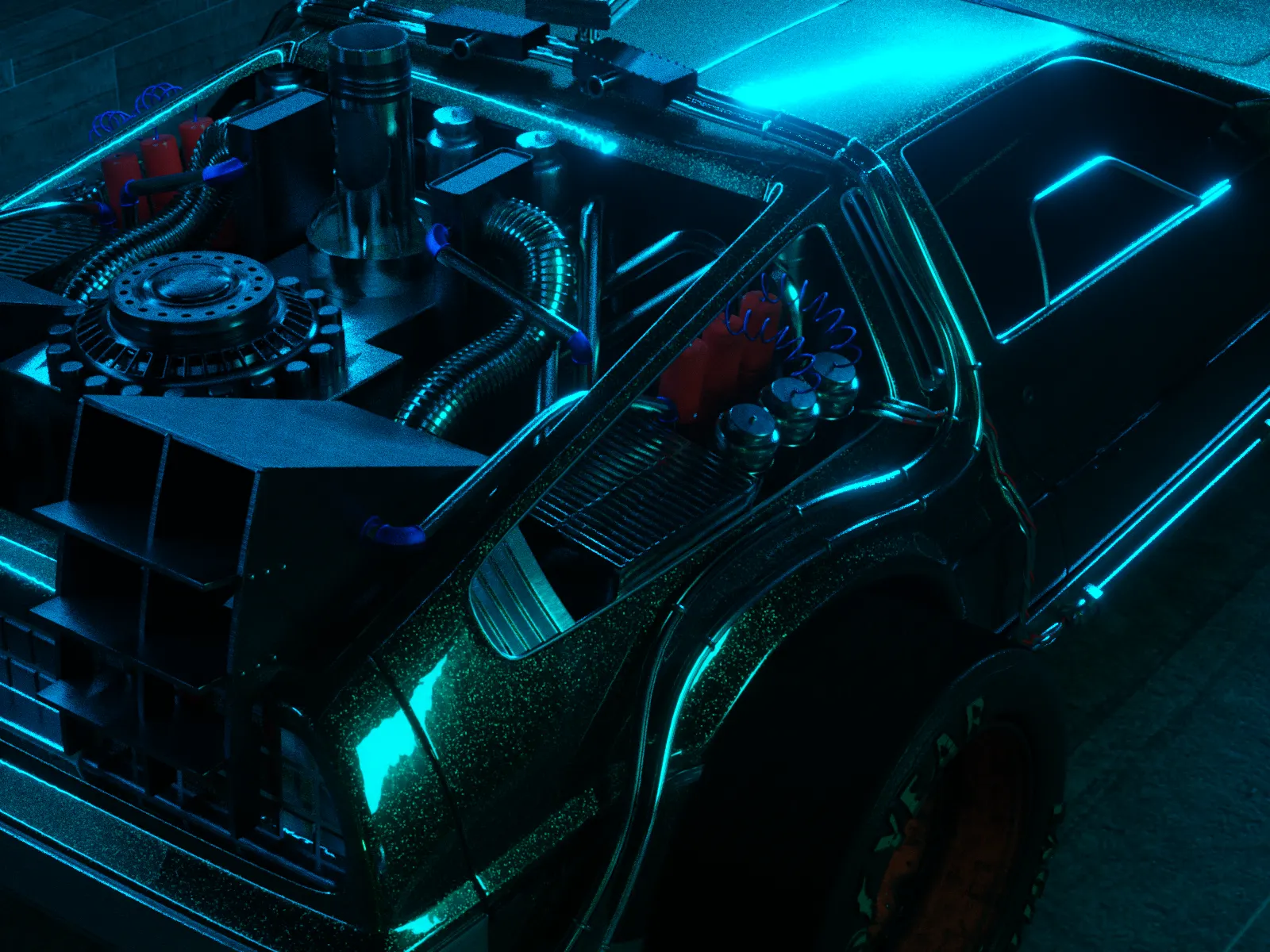

Front of house, back of house
- Next.js 15
- React 19
- TypeScript
- Tailwind
- MDX
- MapLibre GL
- Web Audio API
- hls.js
- React Flow
- Neon Postgres
- Drizzle ORM
- SimpleWebAuthn passkeys
- Stripe
- Vercel + cron
- Cloudflare Stream
- Vercel Blob
- Resend
- PyTorch → Web Worker